From policy to practice: Building partnerships that support healthier communities
Across the country, Medicaid leaders are navigating an increasingly complex environment while working to support healthier communities and meet the needs of the people they serve.
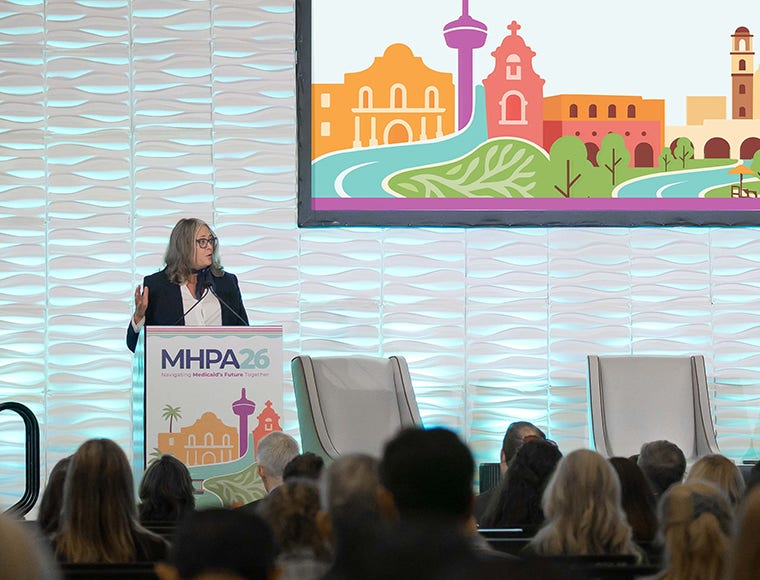
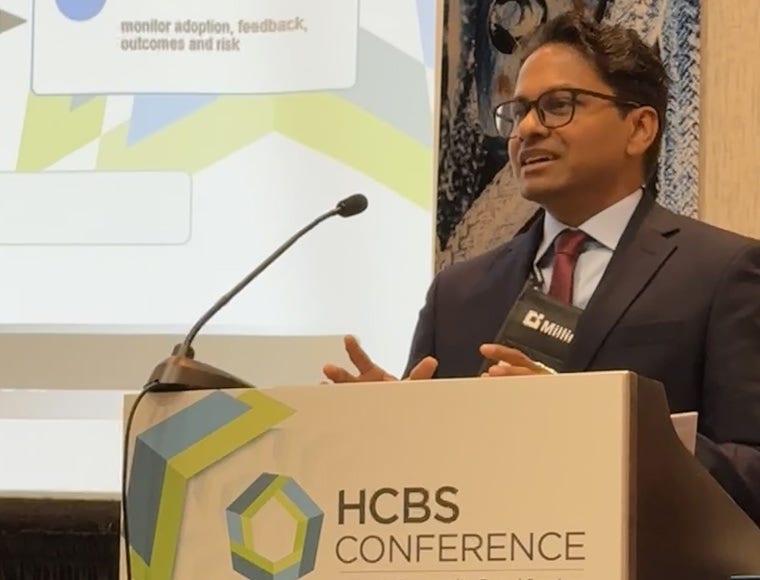
That shared responsibility was a central theme of the 2026 National Association of Medicaid Directors (NAMD) conference, held from October 21–23 on the doorstep of the nation’s capital in National Harbor, Maryland.
Under the theme Policy into Practice, the event brought together Medicaid directors, senior state staff, federal partners, health plans and other stakeholders to exchange ideas, strengthen relationships and explore practical approaches to shared priorities.
Throughout the three-day event, state leaders emphasized the growing demands of implementing federal policy changes, managing financial pressures and administering effective and accessible programs. Many pointed to the importance of practical solutions that simplify administration, demonstrate measurable value and help states make the most of limited resources.
Supporting children and families through community partnership
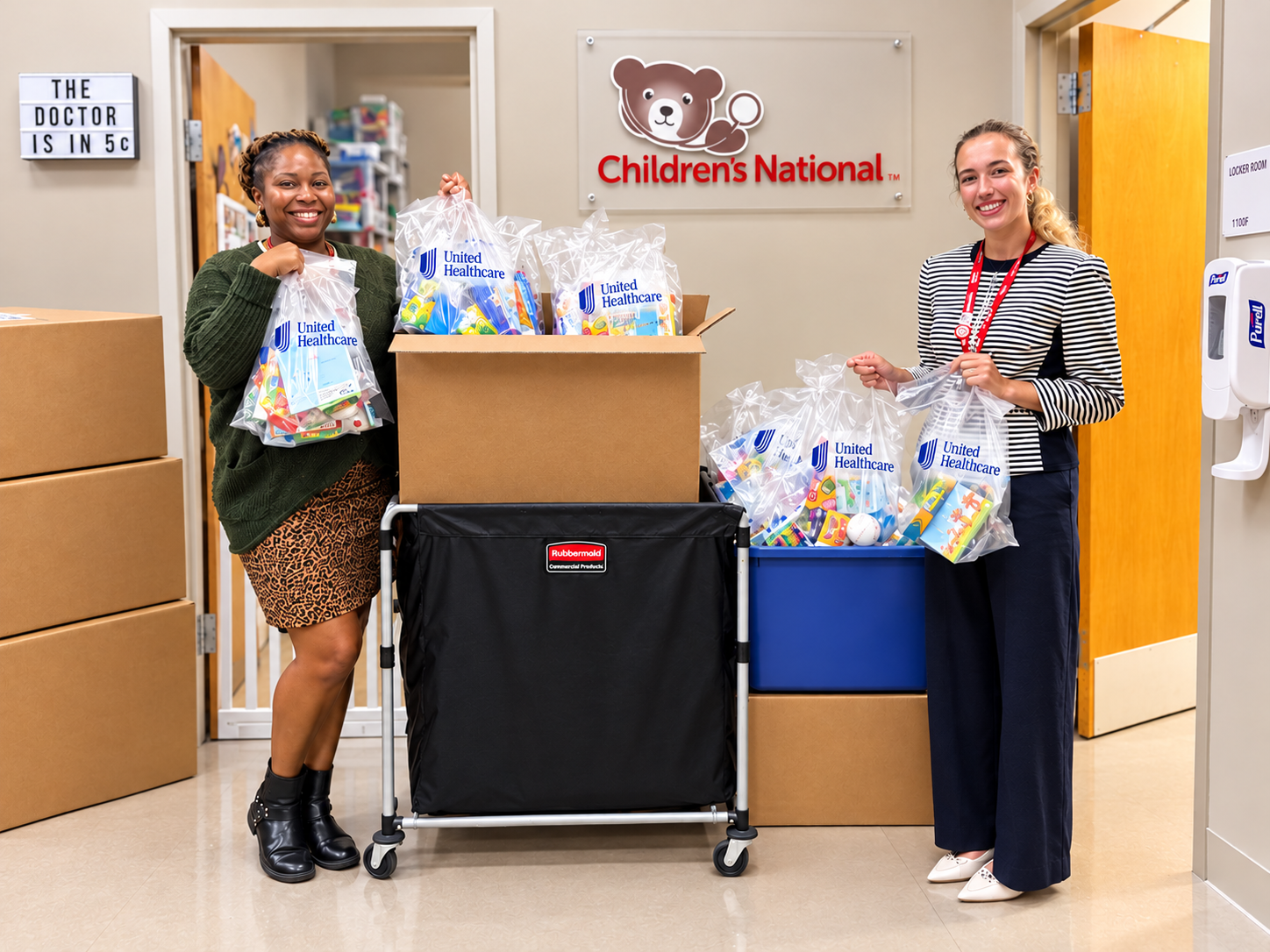
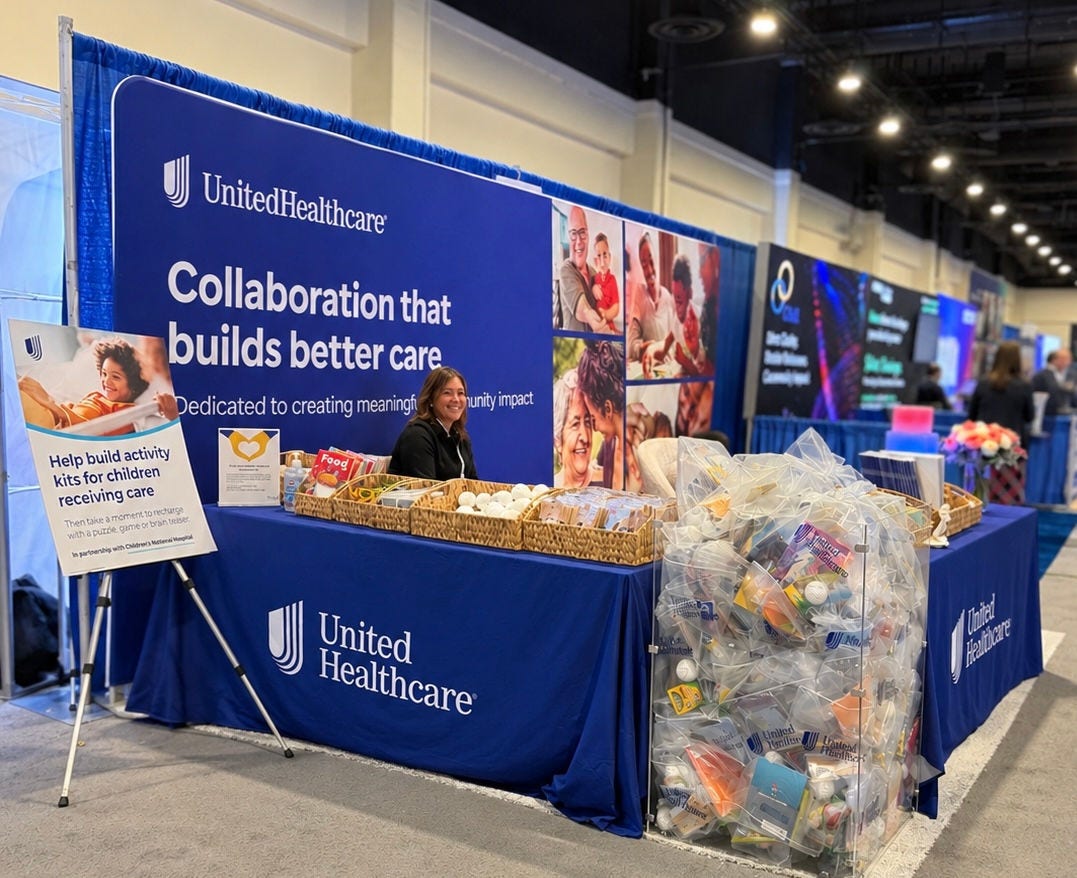
Building on the conference's emphasis on practical action, UnitedHealthcare partnered with Children’s National Hospital on an initiative that demonstrated how collaboration can support children and families in meaningful ways.
Children's National Hospital serves more than 250,000 children each year and is the Washington, D.C., region's only standalone children's hospital. Its work reflects the importance of providing children and families with support that responds to their needs, both during care and beyond the hospital setting.
How the Children's National Hospital initiative came together:
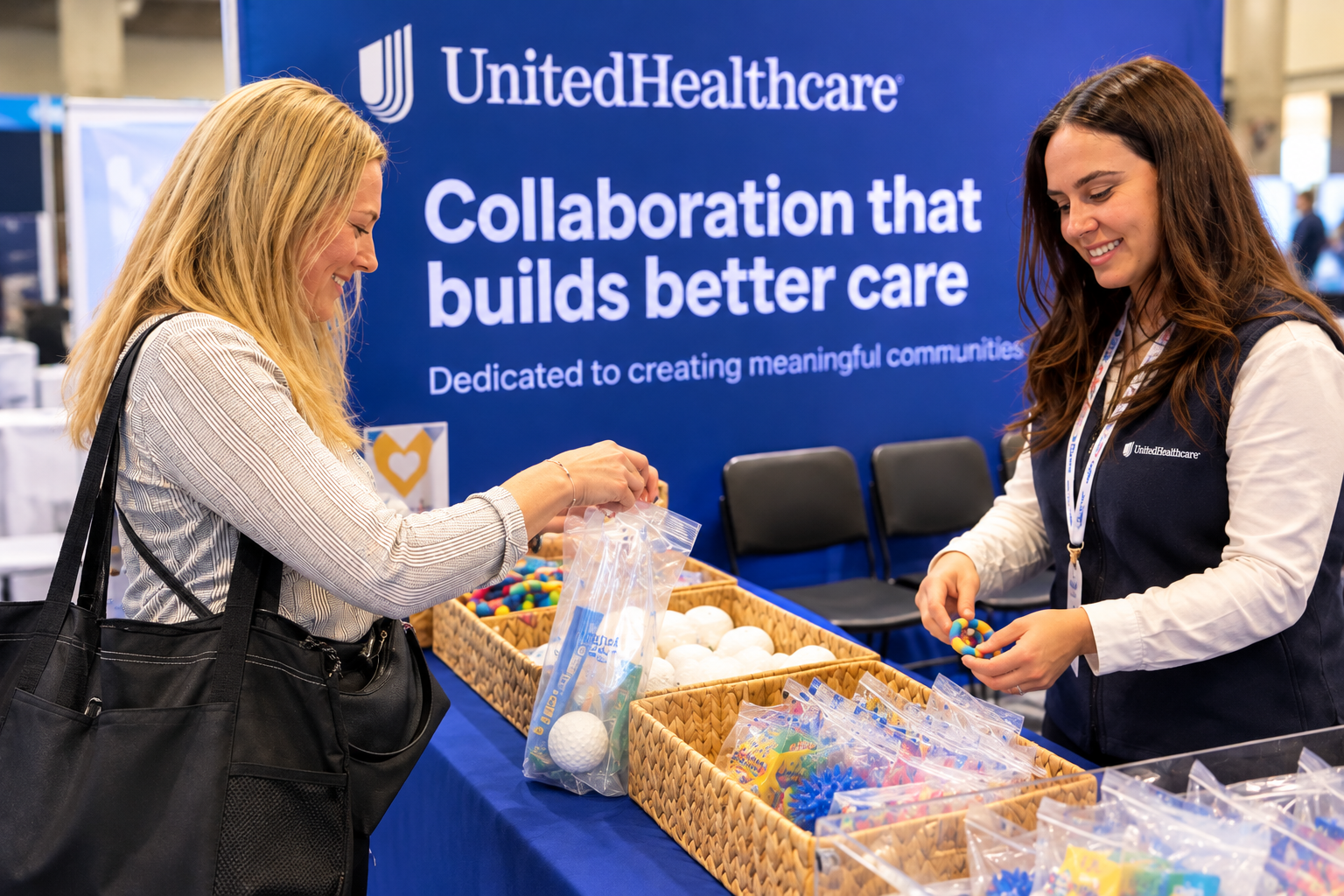
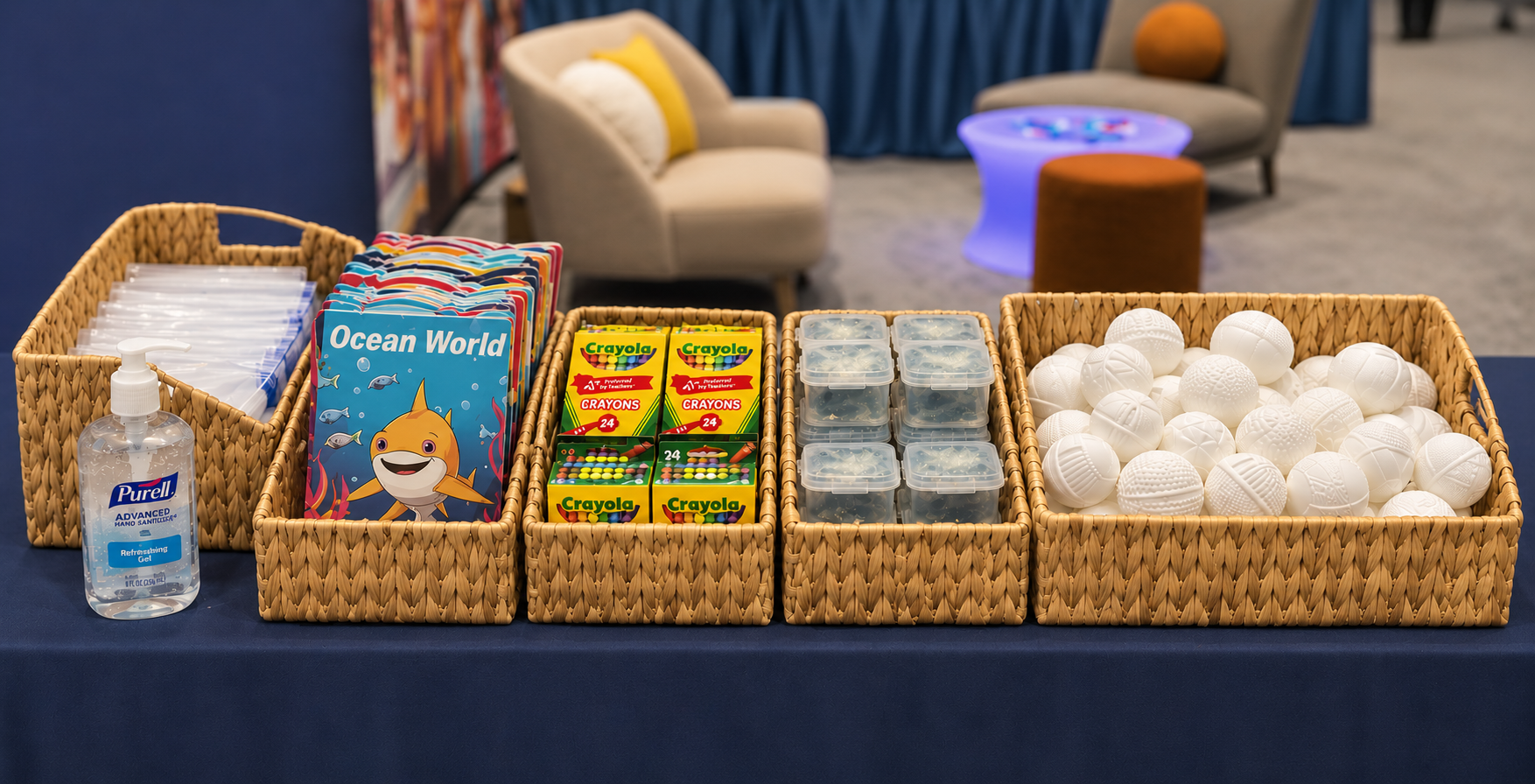
- Conference attendees helped assemble 500 sensory soothing kits containing coloring books, crayons, activity materials and fidget toys.
- The kits were designed to help children stay engaged, channel energy and support self-regulation while receiving care or participating in school-based settings.
- The completed kits were donated to Children's National, extending the conference's emphasis on partnership into the surrounding community.
The project's simple, hands-on approach spoke to a larger idea: Supporting children's health means recognizing the range of experiences and needs that can affect their well-being.
For a child receiving medical care, opportunities for play, creativity and self-expression can provide a welcome distraction from the stress of treatment and create moments of comfort during a difficult experience. Providing those opportunities is one way community partnerships can help make care more responsive to children and families.
That broader commitment is reflected in UnitedHealth Group's previous support for Children's National's initiative to reduce absenteeism across schools in Washington, D.C., another factor that can affect children’s health and development.
“On behalf of Children’s National Hospital and the children and families we serve, thank you to UHC for your generous sensory soothing kit donations and continued partnership,” said Erin Hutto, director of corporate partnerships, Children’s National Hospital Foundation.
"These kits will ease the minds and busy the hands of so many children awaiting lifesaving treatments at our facilities. These are not just kits. They are tools that ease worries and create a sense of normalcy and whimsy in times which can be stressful and uncertain."
Putting Medicaid priorities into practice
The conference provided opportunities for state leaders and other Medicaid stakeholders to examine how evolving federal requirements, financial pressures and new approaches to care delivery will shape Medicaid programs in the years ahead.
Discussions highlighted several areas where thoughtful implementation, collaboration and innovation will be particularly important:
Policy implementation
New federal changes around work requirements, redeterminations and cost sharing are placing significant demands on state programs, particularly around staffing, technology and member communications. Conference discussions also highlighted the role managed care partners can play in helping states meet these operational demands.
Member engagement and access
Clear communication and simplified enrollment processes may help some eligible members connect with plans and providers, maintain access to care and avoid unnecessary coverage losses caused by administrative barriers.
Sustainability and fiscal realities
Financial pressures are increasing the need to preserve essential services while reducing administrative burdens on state agencies. Greater transparency, accountability and measurable value are also becoming increasingly important for long-term Medicaid sustainability.
The value of managed care
As states navigate increasingly complex Medicaid priorities, discussions reinforced the importance of managed care partners demonstrating measurable value through better outcomes, greater transparency and strong accountability. Striking the right balance between state priorities and MCO flexibility can also help support innovation and solutions tailored to each state’s needs.
Program integrity
Efforts to prevent fraud, waste and abuse are increasingly moving beyond traditional “pay and chase” approaches, with greater use of advanced analytics, AI, provider oversight and prepayment interventions.
Innovation in Medicaid delivery
Technology and cross-sector partnerships offer opportunities to improve care delivery, including through better data sharing. For innovations pursued through Section 1115 waivers, state leaders also emphasized the growing importance of financial sustainability, measurable outcomes and realistic implementation plans.
The discussions at NAMD 2026 reinforced the importance of collaboration in addressing the operational and financial pressures facing Medicaid programs.
For Medicaid leaders and their partners, the next step is to continue putting those conversations into practice through solutions that reduce complexity, demonstrate measurable value and respond to the needs of the people they serve.