
Tribal-led solutions advance health outcomes across Washington

In Washington, people who are American Indian or Alaska Native (AI/AN) experience higher rates of chronic disease, cancer mortality and homelessness compared to the state overall.1,2 Tribal communities additionally face barriers to transportation and culturally-sensitive education regarding the importance of health screening.3 These challenges are not new, and they cannot be solved through short-term or one-size-fits-all approaches.
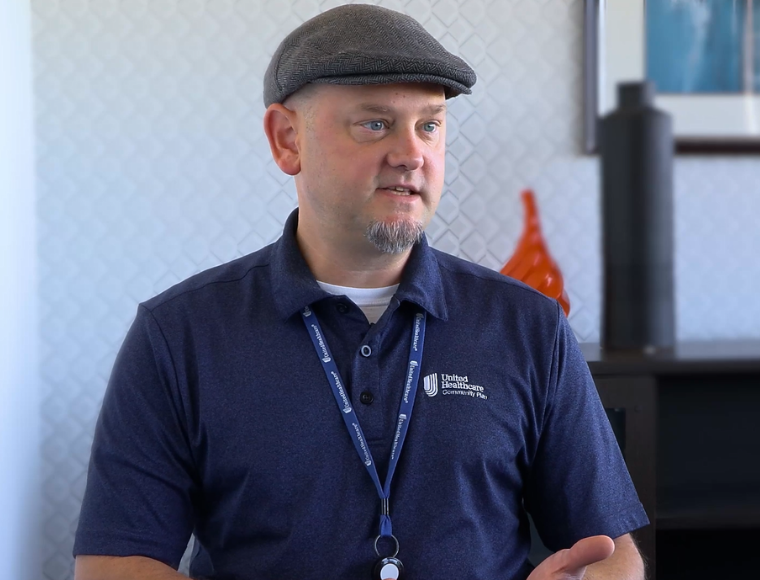
What I have learned as a Tribal Liaison is that progress begins with listening. Solutions must be shaped by the people who know their Tribal communities best. That belief is guiding UnitedHealthcare Community Plan of Washington as we launch local investments designed and led in collaboration with tribal organizations. Our goal is simple: to support access to food, preventive care and essential resources in ways that honor culture and sovereignty.
Collaborating with tribal organizations to improve health
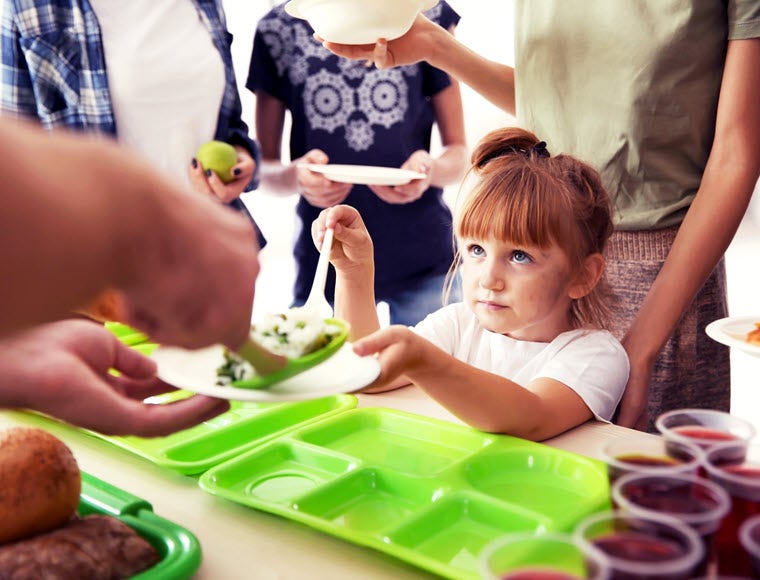
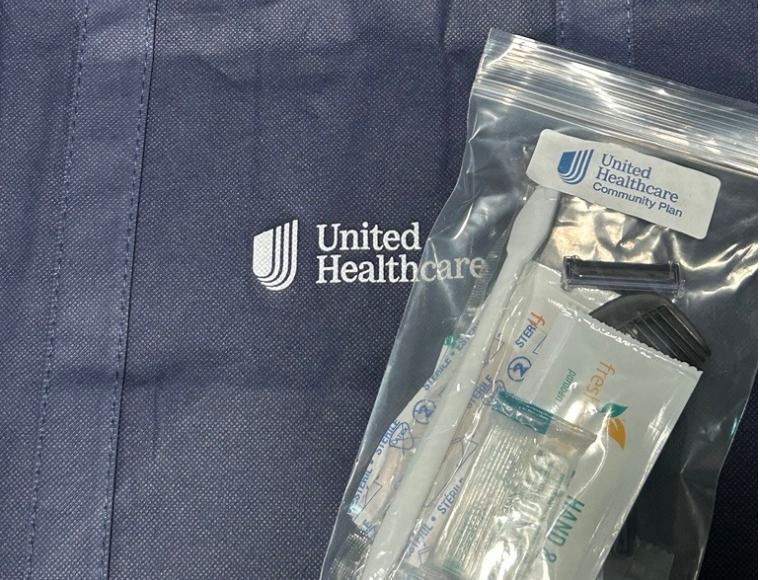
The first investment supports Yakama Nation Peacekeepers, a program that addresses social factors that impact health across diverse demographics. With additional operating and capacity funding, Peacekeepers will provide food assistance paired with healthy recipes. The program will also provide hygiene kits, diapers and household items for families experiencing homelessness.
AI/AN women are less likely to receive timely breast cancer screenings and are more likely to be diagnosed with advanced stage breast cancer at younger ages than their White counterparts.3 In Spokane, our investment in Native Project reduces barriers to breast cancer screening by bringing community mammogram events into a trusted environment, surrounded by staff who understand the importance of mind, body and spirit wellness.
Our investment in Unkitawa centers on the power of traditional foods. Their Whole Person Wellness Project operates a first foods pantry serving King, Pierce, Grays Harbor, Snohomish and Thurston counties. By providing local, seasonal and culturally meaningful foods, Unkitawa reconnects families to tradition while supporting better nutrition and chronic disease prevention.
Finally, we are investing in the American Indian Community Center in Spokane. These funds will help tribal members access transportation, warm clothing during winter months and resources for individuals experiencing homelessness. The center has long been a place of belonging, and this support will strengthen its ability to respond to immediate community needs.
Listening first through the Tribal Advisory Council
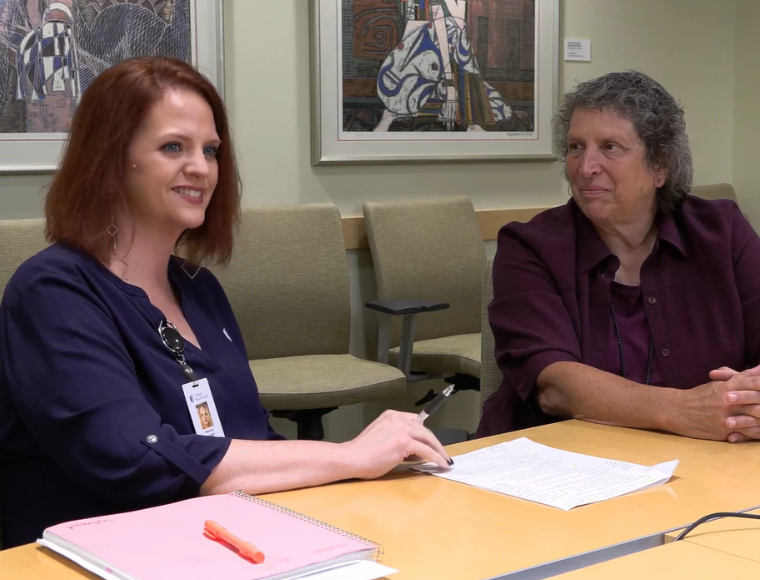
These collaborations are part of a broader commitment to a continuous relationship with tribal organizations. UnitedHealthcare Community Plan has been building deeper connections with local tribes through our Tribal Advisory Council, a forum created for honest dialogue and shared problem solving. The council allows tribal representatives to provide feedback and direction around where investments should be focused.
Health disparities are well documented, but priorities must come from communities themselves. The council helps ensure that rather, than dictating solutions, we walk alongside tribes as a collaborator in their vision for healthier futures.
Addressing whole-person health in culturally grounded ways
Each of these initiatives touches more than one aspect of health. Food security influences diabetes and heart disease.4 Transportation affects whether someone can reach a clinic. Warm clothing and hygiene supplies impact physical and mental well-being.5 Breast cancer screening saves lives. By investing in organizations already trusted by Native communities, we are working to remove barriers to better health.
I am encouraged by what these collaborations represent. They show how health plans and tribes can work together in a way that respects sovereignty and lifts up community strengths. There is still much to do, but these investments are steps toward better access, better experiences and better outcomes for Native families across Washington.
As we continue listening through the Tribal Advisory Council and through our daily relationships with local organizations, we will continue to pursue meaningful solutions in partnership with the communities we serve. Our goal is to support, to learn and to stand beside them on the path to whole-person wellness.
Enjoy this article? Get future Community & State insights delivered right to your inbox.
Sources
- Governor’s Indian Health Advisory Council: Biennial Report (2023, October 5). Washington State Health Care Authority.
- Demkovich, L. (2024, March 27). Housing and homelessness in Washington, by the numbers. Washington State Standard.
- Kurumety, S., et al. (2023, February 6). Breast Cancer Screening and Outcomes Disparities Persist for Native American Women. National Library of Medicine.
- Owen, R. (2025, March 11). Food Insecurity Is Linked to Heart Disease and Diabetes in the United States. Eos.
- The Hidden Impact of Hygiene on Mental Health and Self-Esteem (n.d.). Traveler on a Mission.