UHC Expo spotlights community solutions to advance access to care in Massachusetts


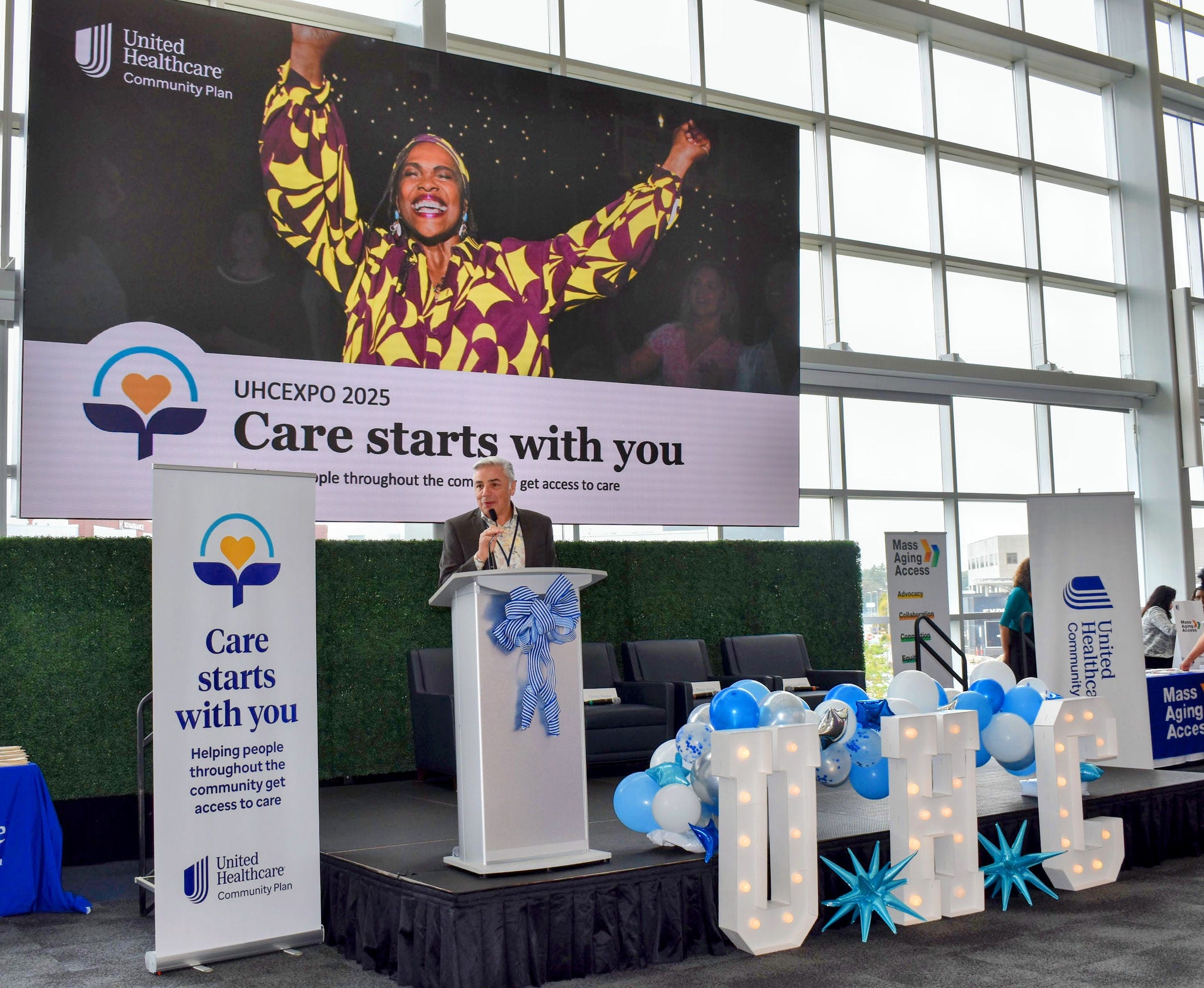
UnitedHealthcare Community Plan’s Joe Pereira welcomes UHC Expo attendees.

UnitedHealthcare Community Plan of Massachusetts works alongside providers, community organizations and policymakers to help address barriers to care and strengthen access across the care continuum. Demand for safety-net services and community-based supports continues to grow throughout the Commonwealth, highlighting the importance of coordinated, community-driven solutions.

To help providers, community leaders and social service organizations strengthen collaborative relationships, UnitedHealthcare Community Plan of Massachusetts convenes these groups each year through its UnitedHealthcare Expo. In its 8th year, the 2025 Expo centered on the theme of “access to care”, served as both a collaborative forum and a launch point for community investment. Through panelist and attendee dialogue and direct grant funding to frontline organizations, the Expo translated shared priorities into tangible action across the Commonwealth.

A statewide convening focused on access to care

The 2025 UnitedHealthcare Expo brought together 220 attendees representing 71 organizations, including 26 new collaborators and 14 UnitedHealthcare segments. Providers, community-based organizations and advocates convened to share insights, strengthen relationships and align around practical strategies to remove real-world barriers to care.

A CEO-led panel discussion featuring leaders from Federally Qualified Health Centers, Adult Day Health Centers and Aging Services Access Points emphasized the importance of integrated, cross-sector approaches to access, particularly for populations navigating multiple systems simultaneously. Building on this dialogue, UnitedHealthcare Community Plan of Massachusetts awarded 14 community grants each valued at $10,000 from a competitive pool of 38 applications, supporting organizations that address access challenges across housing, food, transportation, disability, dementia care and health navigation.

Expanding culturally responsive access and navigation

Several grants focused on reducing linguistic, cultural and informational barriers that can prevent individuals from accessing timely care. The Alzheimer’s Association, Massachusetts/New Hampshire Chapter will expand dementia education, caregiver support and listening sessions tailored for Spanish-speaking and LGBTQIA+ communities, with the goal of reaching more than 2,300 individuals. The initiative addresses health outcome discrepancies in dementia awareness, diagnosis and caregiving support.

The Cambodian Mutual Assistance Association of Lowell (CMAA) will enhance health insurance enrollment, benefits navigation and senior wellness programming through additional Khmer-speaking staff and outreach, strengthening culturally responsive access for Cambodian and Southeast Asian community members.

At Edward M. Kennedy Community Health Center, grant funding will help offset essential but often unreimbursed services, including interpreter support, Community Health Workers and Health Benefits Navigators, roles that promote sustained patient engagement and care continuity.
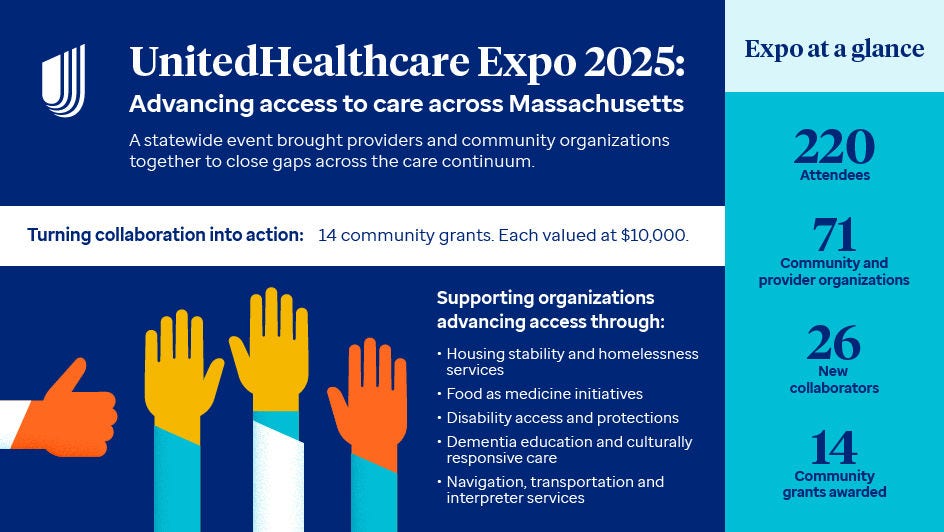


UHC MA Expo Infographic
 
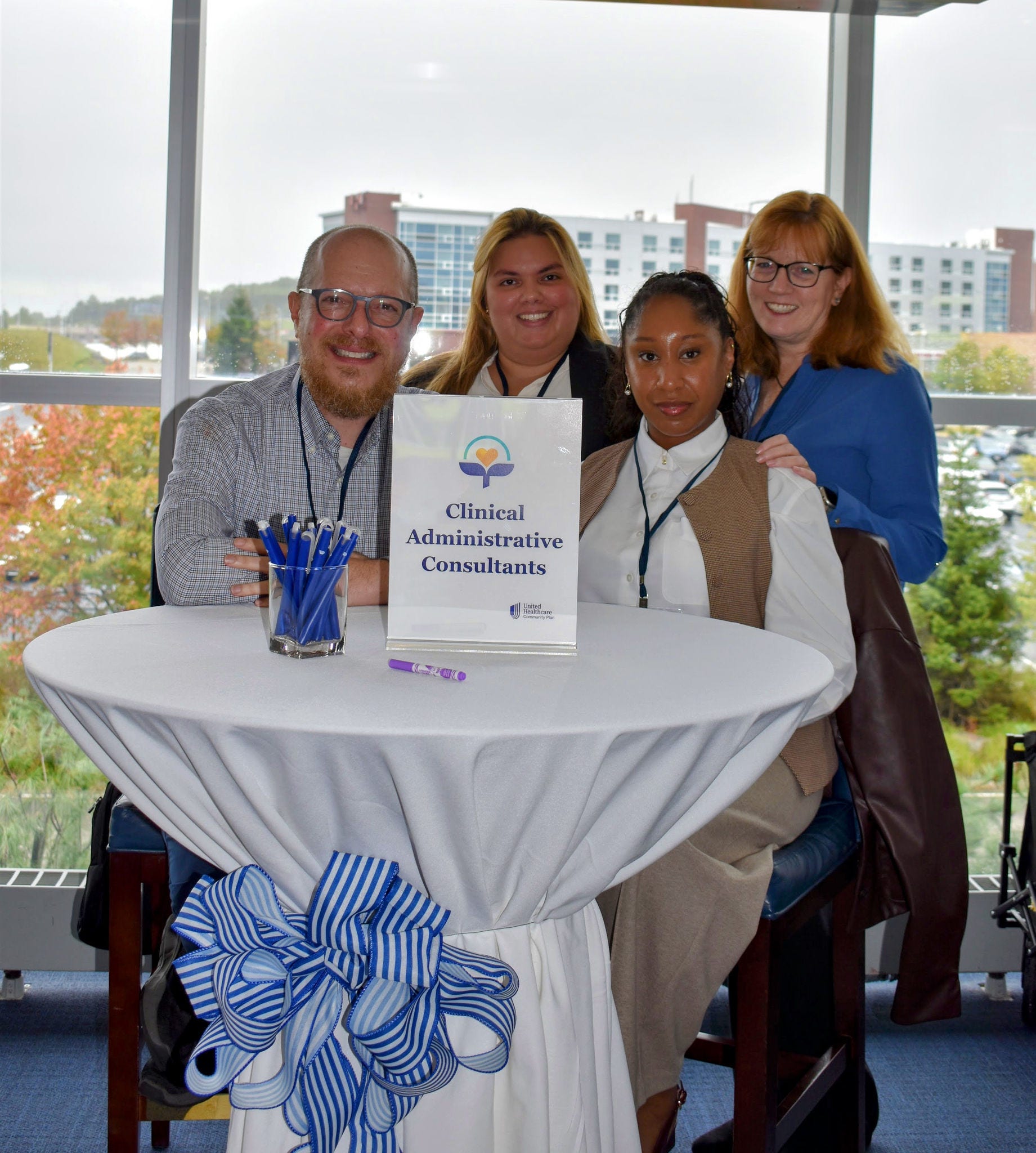
Clinical administrative consultants network during the event, held at Gillette Stadium in Foxboro.

Addressing homelessness, material need and treatment adherence

For individuals experiencing homelessness, access to care often hinges on basic material supports that make treatment adherence possible. Boston Health Care for the Homeless Program will expand its Life Essentials Program, providing transportation assistance, medical supplies, clothing and other necessities that enable approximately 1,000 individuals to attend appointments and follow care plans.

Father Bill’s & MainSpring will strengthen the Housing Resource Center model, integrating shelter, benefits enrollment, job readiness services and on-site health care to stabilize individuals and families facing chronic homelessness and reduce barriers to long-term health and housing stability.

Advancing food as medicine and FQHC sustainability

Recognizing food insecurity as a driver of health outcomes, several grants support nutrition access and FQHC capacity. As an example, DotHouse Health, one of the nation’s oldest community health organizations, will expand cold storage and deepen its collaboration with Boston Area Gleaners to deliver fresh, locally grown produce to patients experiencing food insecurity, reinforcing food as medicine approaches within primary care. Other investments support the operational sustainability of safety-net providers, helping them continue to deliver comprehensive, community-centered care amid rising demand.

Protecting access for people with disabilities

The Disability Policy Consortium will lead an outreach and advocacy campaign to protect Medicaid access, improve wheelchair repair systems, expand communication access for Deaf and Hard of Hearing patients and strengthen health care nondiscrimination protections. The initiative is expected to reach 5,000 individuals, with deeper engagement for approximately 1,500 people, reinforcing access across disability communities.

Moving access forward, together

UnitedHealthcare Community Plan of Massachusetts’s UnitedHealthcare Expo demonstrates how managed care can move beyond coverage alone to serve as a convener, investor and system integrator to support increased access to care. By aligning providers, community organizations and cross-sector leaders around shared challenges, and translating dialogue into direct community investment, the health plan is helping remove structural barriers that delay care and can impact outcomes. This approach strengthens frontline organizations, expands culturally responsive services and makes care more reachable, understandable and effective for the people who need it most across Massachusetts.


Learn more about our efforts to improve quality of life for our members by visiting our Massachusetts profile page.

Enjoy this article? Get future Community & State insights delivered right to your inbox.


Get updates on Medicaid topics

Be the first to know about relevant news & insights by subscribing to our newsletter.