
Advancing health equity requires strong community collaboration, trusted leadership and a shared commitment to addressing the barriers that prevent individuals from accessing quality care. Across North Carolina, community- and faith-based organizations help address health challenges that are driven by social, economic and systemic factors.
To help drive meaningful dialogue and strengthen these connections, UnitedHealthcare Community Plan of North Carolina hosted a Health Equity Luncheon, attended by 30 leaders from community- and faith-based organizations across the state. The gathering united participants around a shared mission of advancing equitable access to care and improving outcomes for populations in need.
Community and faith-based leaders gather to advance health equity
The Health Equity Luncheon served as a forum for open dialogue, relationship-building and collective problem-solving among organizations deeply embedded in their communities. Participants shared insights on the barriers their communities face, from access to care and preventive services to culturally appropriate support. The conversations also surfaced opportunities to strengthen impact through shared resources and alignment across sectors.
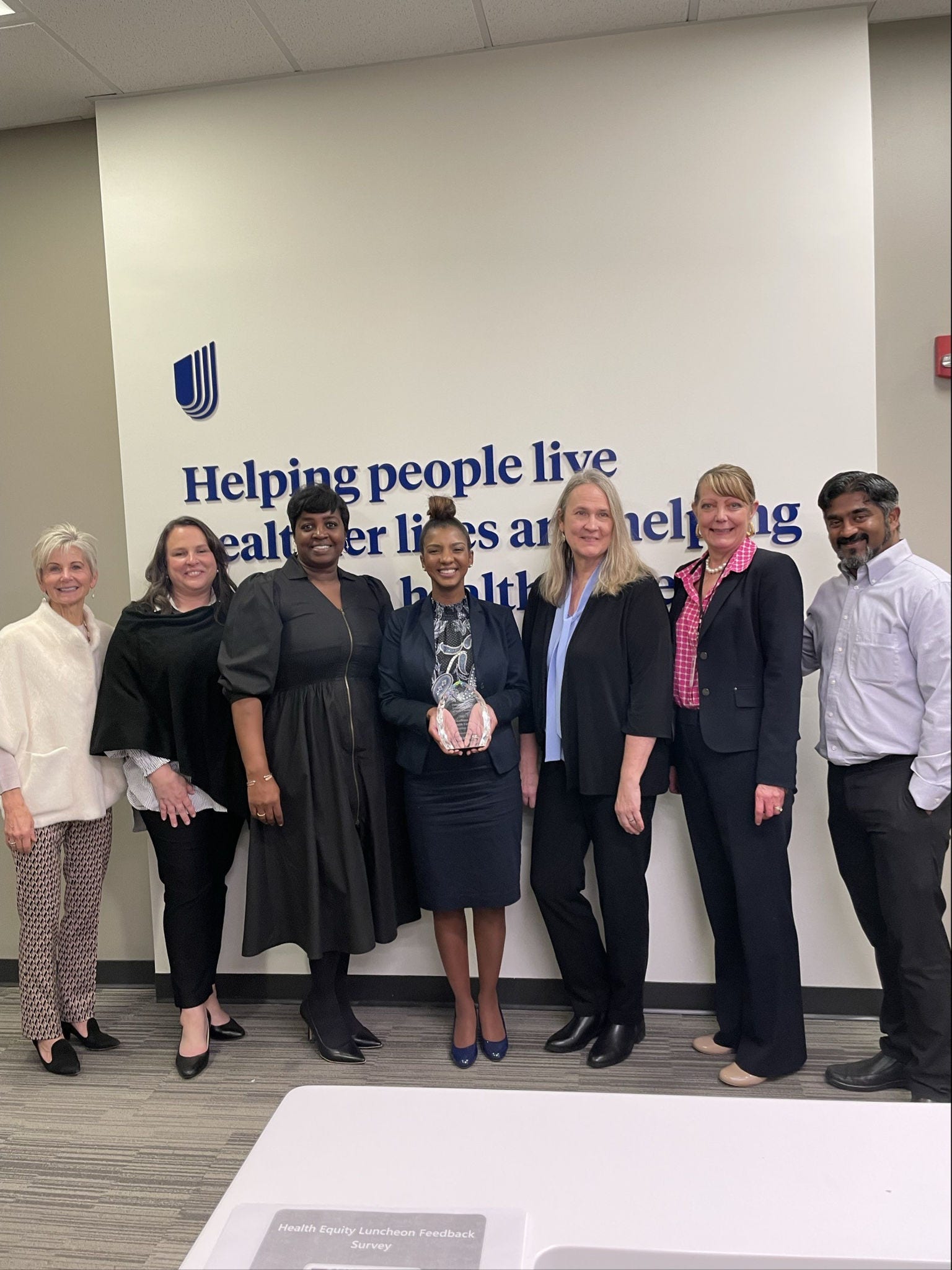
During the luncheon, UnitedHealthcare Community Plan of North Carolina recognized Tchernavia Montgomery, MSW, CEO of Care Ring, with the 2025 Excellence in Health Equity Leadership Award. The award honors leaders who demonstrate measurable impact and show a sustained commitment to reducing health disparities across North Carolina.
Care Ring’s community-driven model of impact
Under Montgomery’s leadership, Care Ring has become a safety-net organization providing health care access to more than 7,600 low-income residents each year. Its integrated model addresses both medical and social needs, recognizing that stable health depends on more than clinical care alone.
Care Ring’s impact is reflected through several programs:
- Physicians Reach Out (PRO): A volunteer network of physicians delivering specialty care, surgeries and diagnostic services, resulting in more than $557 million in donated care since 2004
- Low-Cost Clinic: Primary and chronic disease care for more than 2,000 patients annually, with a focus on conditions such as diabetes, hypertension and obesity
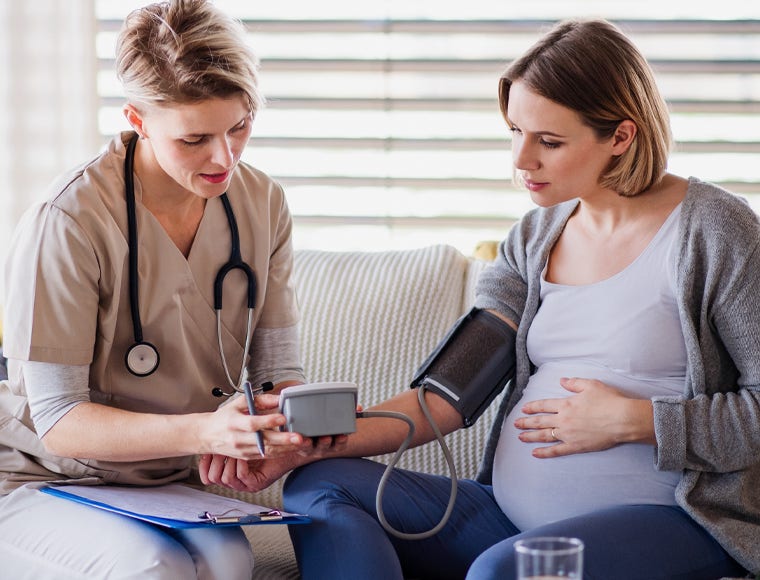
- Nurse-Family Partnership and A Guided Journey: Home visitation and maternal health programs supporting nearly 1,000 first-time, low-income mothers each year
Addressing social factors through culturally responsive care
With approximately 94% of Care Ring’s patients identifying as people of color, the organization’s services are intentionally designed to be culturally competent and linguistically accessible. This approach improves engagement and better aligns care with the lived experiences of the communities served.
By moving beyond one-size-fits-all delivery models, Care Ring demonstrates how culturally responsive care can help close gaps in access and outcomes, particularly for populations disproportionately impacted by health challenges.
A shared commitment to lasting impact
By working alongside community and faith-based organizations and honoring leaders such as Tchernavia Montgomery, UnitedHealthcare Community Plan of North Carolina reinforces its commitment to reducing health challenges and improving access to care. Through efforts such as this luncheon, the health plan demonstrates how managed care can help build a future where access and quality care are realities for all North Carolinians.
Learn more about how UnitedHealthcare Community Plan of North Carolina recognizes leaders who promote equitable solutions through its Provider Recognition Program.
Enjoy this article? Get future Community & State insights delivered right to your inbox.