
Strengthening continuity of care during reentry in Washington

Key Insights & Takeaways
As more correctional facilities in Washington join the Reentry Waiver Demonstration, UnitedHealthcare has been working to deepen relationships with key stakeholders, coordinate better care for those reentering the community, and expand its jail transitions team
Each year, more than 600,000 people are released from prison, including more than 17,000 in Washington.1 Leaving incarceration and reentering the community means navigating housing, employment, transportation and health all at once. Without support, access to critical health care and medications can be disrupted.
To help people stay connected to the care and resources they need during reentry, UnitedHealthcare Community Plan of Washington’s Jail Transitions team works hand-in-hand with correctional facilities, community organizations and local providers. Our care coordinators play an important role:
- Helping members understand their physical and behavioral health needs
- Coordinating support to meet whole-person health
- Connecting to case management services to manage chronic conditions
- Identifying community resources to support members, their families and their caregivers
- Goal planning to develop self-care skills to improve functioning and overall wellbeing
Since 2024, our team has responded to more than 10,000 referrals and has enrolled more than 500 members from carceral facilities. Every connection represents an opportunity to help someone return to their community with greater stability and access to the care they need to support their health.
Helping facilities implement Washington's Reentry Waiver Demonstration
Washington State's launch of its Reentry Waiver Demonstration in July 2025 was an important development for jail transitions in the state. With a phased implementation of the state’s federal Section 1115 waiver, which allows Medicaid payment for services up to 90 days prior to an individual’s release, Washington’s Health Care Authority set clear goals:
- Prepare people for successful transitions to help them live their healthiest life
- Improve outcomes and reduce recidivism, emergency department visits, overdoses and deaths
- Stabilize a person’s health before release so they can reenter their community as healthy as possible2
Building on our team’s work that began prior to the waiver launch, we continue to work closely with participating facilities to support effective implementation. We also collaborate with other managed care organizations in statewide discussions as more facilities prepare for participation in the waiver program. Since July 2025, UHC has received more than 900 referrals from participating facilities, with more than 70% of individuals choosing to enroll.
Strengthening connections to support reentry
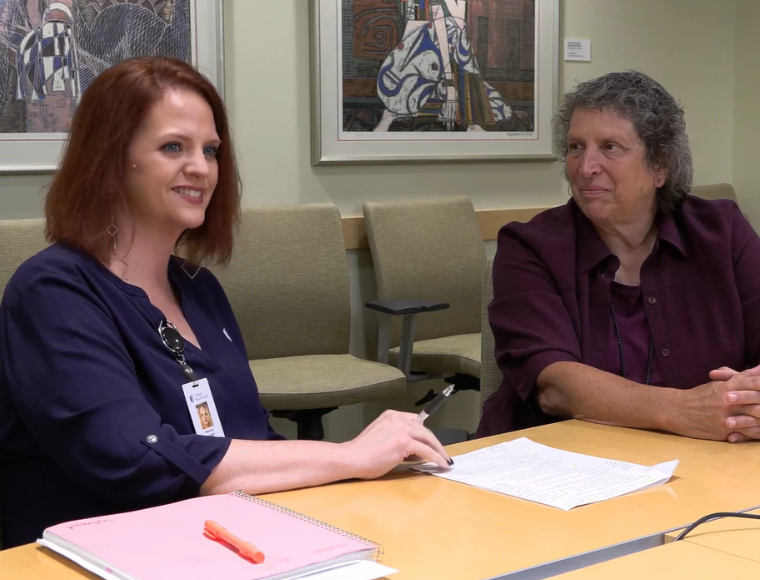
Whether we’re coordinating a warm handoff before release, connecting someone to behavioral health services or helping facilities navigate new reentry requirements, our work depends on ongoing collaboration local organizations. Our team is collaborating with organizations like The Moore Wright Group to ensure justice-involved members have access to essential resources during their reentry transition.
Over time, our team has expanded our efforts to better support our members and organizations involved in reentry. That includes growing our team to include community health workers and clinicians, strengthening relationships with correctional and juvenile facilities and building enhanced reporting capabilities to improve coordination and visibility into member needs.
UnitedHealthcare also participates in state-hosted, Rapid Response calls, a statewide initiative that brings carceral facilities together to discuss emerging challenges, share insights and identify opportunities to improve support for people returning to their communities.
Increasing access to behavioral health care
In addition to supporting people recently released from incarceration, we collaborate with diversion programs designed to connect people with case management, behavioral health care and support for social needs. These programs are designed to create opportunities to engage with people who may be at risk of further involvement with the justice system.
In the first quarter of 2026 alone, we received 92 referrals from diversion programs to connect individuals with care coordination services. By connecting with people enrolled in diversion programs, we can help identify and support behavioral health needs early on to ensure they have the support they need to manage their health.
The impact of support
Supporting people as they return to the community requires persistence, coordination and long-term commitment. Whether we're helping someone reconnect with behavioral health services or partnering with correctional facilities on new approaches to care, our goal remains the same: helping people live healthier live as they return to their communities.
The impact of this work can be seen in stories like Michael’s*, who was preparing for release from Thurston County Jail. Before his release, our team worked with Michael to understand his whole-person needs and discovered that he did not have stable housing in place and would be facing homelessness upon release. We connected Michael with local organizations to help him secure housing and access to dental and vision care, including obtaining a new pair of eyeglasses. Today, Michael is employed and has shared the positive difference that transitional support made in his health and well-being. For our team, stories like his are a reminder of what’s possible when support begins before release and continues into the community.
*Michael’s name was changed for anonymity.